How to Get Prequalified for a Mortgage in Mesa, AZ
Mesa's market has shifted, and buyers actually have some breathing room these days. Here's how to get prequalified so you can use that leverage instead of watching it pass you by.
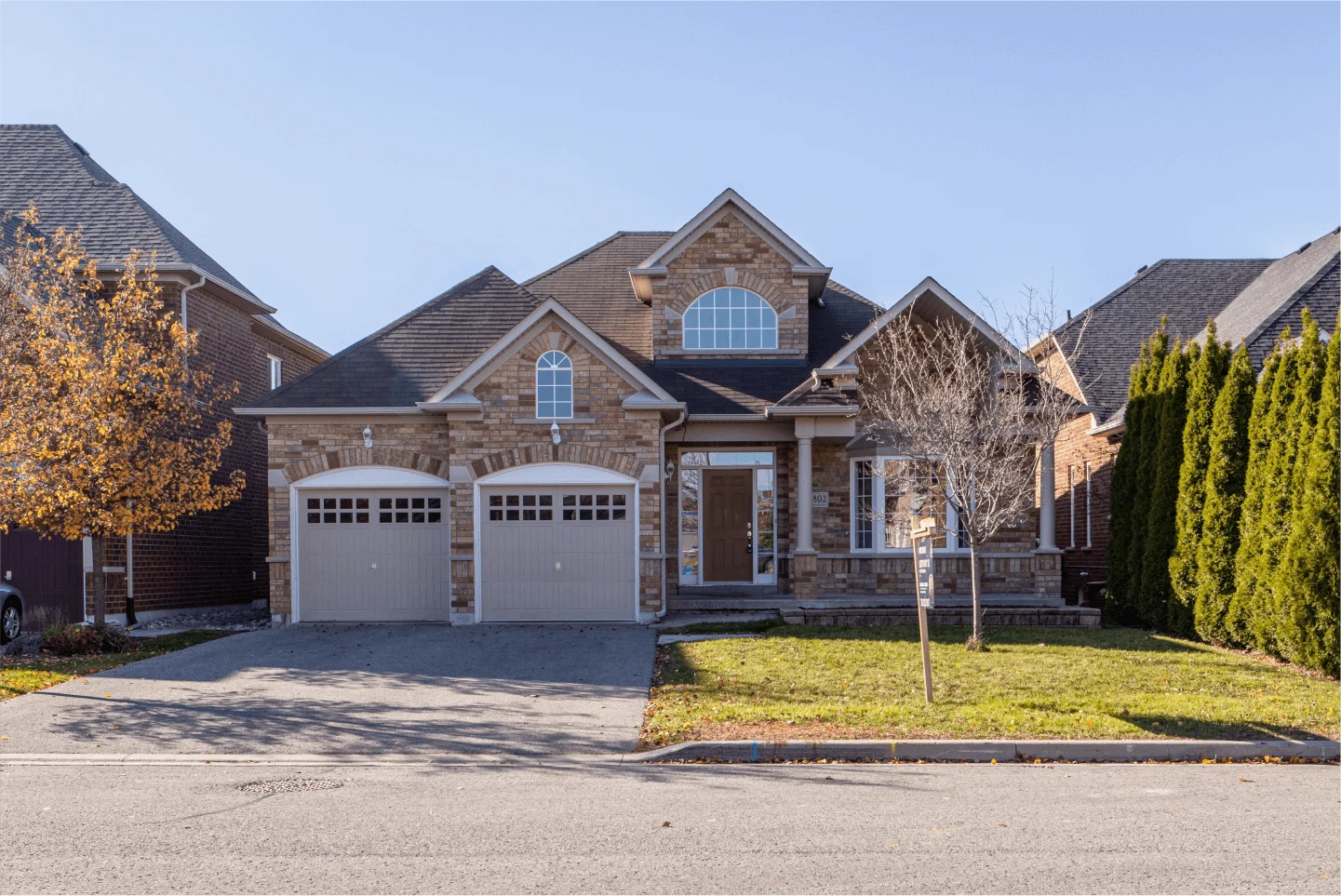
How to Get Prequalified for a Mortgage in Mesa, AZ
Mesa's housing market has changed its personality a bit lately. Buyers have more homes to choose from, sellers are having to actually be reasonable about pricing, and nobody's getting laughed out of a showing for wanting a home inspection anymore. It's a genuinely good time to be a buyer out here. But none of that matters if you show up without your paperwork ducks in a row. That's where prequalification comes in, and it's a lot less intimidating than it sounds.
Prequalified vs. Preapproved: They're Not the Same Thing
People use these two words like they're interchangeable, and they're not, so let's clear that up first. Getting prequalified is the quick version. You share some basic information about your income, debts, and assets, and a lender gives you a general idea of what you might qualify for. It's fast, it's informal, and it's a great first step for figuring out your ballpark.
Getting preapproved is the more serious cousin. That involves actually verifying your income, pulling your credit, and reviewing your documentation so the lender can hand you a real letter that carries weight with sellers. Think of prequalification as checking if the shoe fits and preapproval as actually buying the shoe. Both matter, but they serve different purposes at different stages.
What You'll Actually Need to Hand Over
Nobody loves gathering paperwork, but this part is far less painful than people expect. You'll want recent pay stubs, a couple years of tax returns if you're self-employed or have variable income, bank statements showing your savings, and basic personal information like your ID and social security number. If your income situation is straightforward, this whole process moves quickly. If it's a little more complicated, self-employment, commission income, a recent job change, just be ready to explain the story behind the numbers, because a good lender can usually work with it once they understand it.
The Mistakes That Slow Everyone Down
Applying for new credit right before or during this process is public enemy number one. That new credit card or car loan you're excited about can mess with your debt-to-income ratio at exactly the wrong moment. Same goes for making large, undocumented deposits into your bank account. Lenders love money that has a clear paper trail and get suspicious of money that mysteriously appears. And if you're switching jobs, try to time it thoughtfully, because a gap in employment history or a jump to a totally different field can complicate things even if your new job is objectively better.
Why This Matters Even More in Today's Mesa Market
With more inventory sitting on the market and sellers less likely to get swarmed the moment they list, you'd think buyers could relax on the paperwork front. Actually, the opposite is true. Sellers in a more balanced market have the luxury of being picky about who they take seriously, and a buyer who's already prequalified signals that you're not wasting anyone's time. It also means you can move quickly the moment you find the right place, instead of scrambling to get your financial house in order while someone else swoops in.
How Fast Can You Actually Get This Done?
Faster than most people assume, especially if your financial situation is fairly straightforward and you have your documents ready to go. The biggest delays almost always come from waiting on the buyer, not the lender, so the sooner you gather your paperwork and reach out, the sooner you'll have a real number to work with instead of a guess.
Let's Get You Started
If you're serious about buying in Mesa, or even just curious what you'd qualify for, let's talk. I'll walk you through exactly what you need, answer your questions honestly, and get you a real picture of where you stand, no pressure and no runaround.
I'm Jared Halbert, mortgage broker based in Queen Creek, Arizona, serving Mesa and the rest of the state. Reach out anytime, that's what I'm here for.